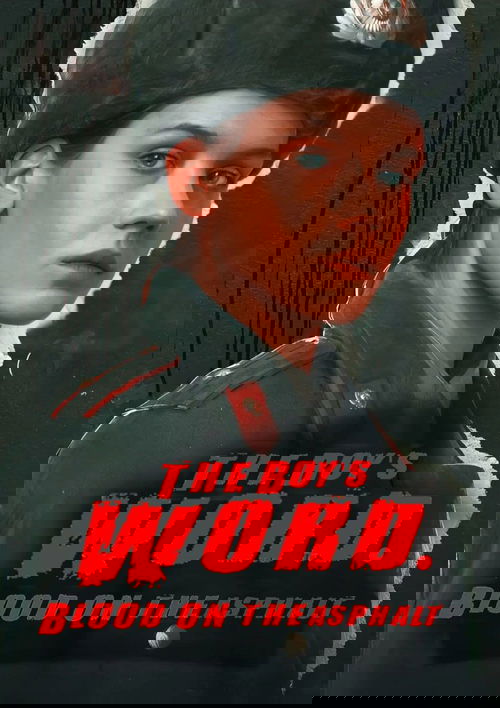
The Boy’s Word: Blood on the Asphalt
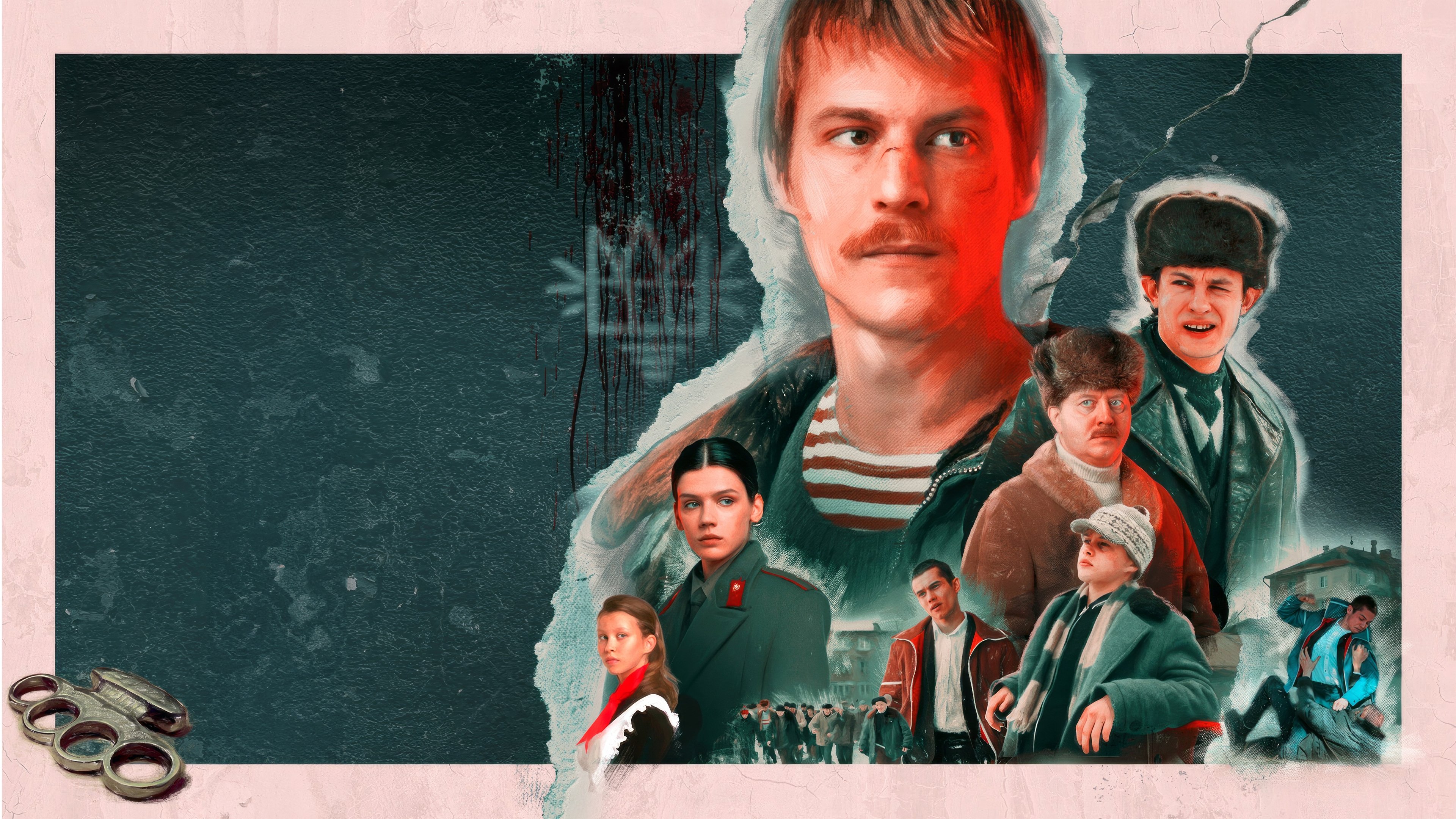
In the late 1980s, when “perestroika” was taking place in the USSR and the era of the Soviet Union was about to collapse, life became unstable and very different. The 1980s brought not only freedom, but also waves of crime on the city streets. While some young people began to ‘grow up’ on the streets, others found it difficult to find their place in this unpredictable reality. Andrey, lives with his mother and five-year-old sister. He studies at a music school and often encounters street teenagers who harass him. To protect himself, Andrey makes friends with one of these teenagers, Marat, who introduces him to gang life. Youth groups fight for every piece of territory; they defend their right to live the life, even breaking laws and promises. The only thing that matters to them is the vows they make to their gang members-brothers, with whom they confront the violence and fears of the adult world.
Episodes

Episode 1
A step outside. Quiet 14-year-old Andrei meets kids who are far from his circle. With them behind him, no school…
Episode 2
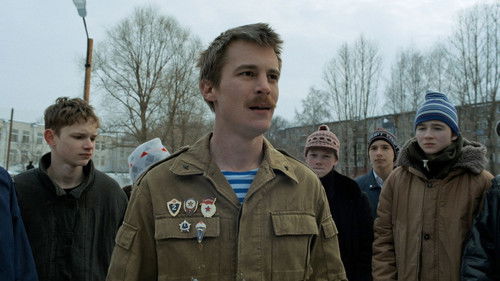
A completely different disco. Marat's brother returns from military service. The world has changed, and Vova's plans extend far beyond…

Episode 3
One fist is a threat, but ten is trouble. Someone has to answer for the fate of one of the…

Episode 4
Just like in the movies. Marat and his friends rescue Vova from the hospital and buy themselves some time to…

Episode 5
Honest business. Andrei's new idea attracts the attention of the streets, which see everything. But even under their strict supervision,…

Episode 6
The streets are unforgiving. Vova, Marat, and Zima conceal the details of their meeting with the Dombytovs, as the consequences…
Episode 7
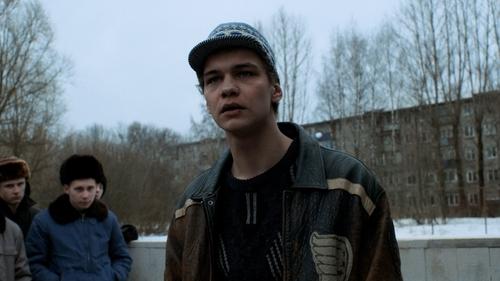
Andrei is looking for ways to protect his family. Punishment is already hot on Vova's heels, but there is still…
Episode 8
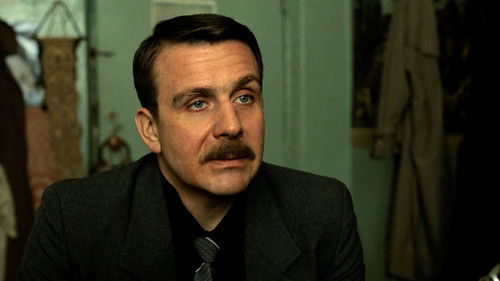
Some gave up, some gave in. To move forward, you have to leave the streets behind. But once you give…








EPISODENEW.COM Review
"The Boy's Word: Blood on the Asphalt" arrives not as a mere relic of a bygone era, but as a stark, visceral autopsy of societal decay, set against the crumbling edifice of the late Soviet Union. This eight-episode series, far from being a nostalgic trip, plunges us into the brutal, chaotic adolescence of a nation in freefall, masterfully illustrating how perestroika's promise of freedom curdled into a vicious struggle for survival on the streets.
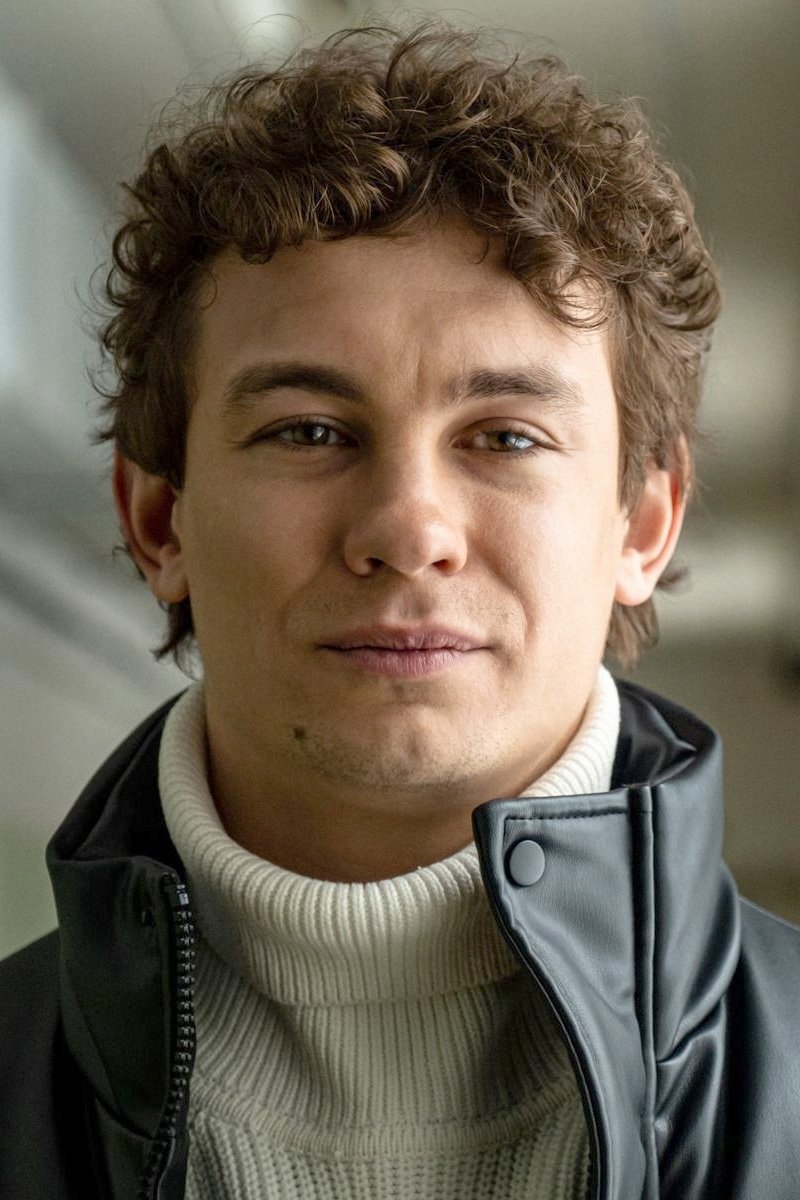
The narrative spine, tracing Andrey's reluctant initiation into gang life through his connection with Marat, is a well-trodden path in tales of innocence lost. Yet, the series elevates this familiar arc through its unflinching gaze and remarkable performances. Ivan Yankovsky, as the conflicted conscience of the growing hooligan, delivers a nuanced portrayal of a boy caught between a yearning for decency and the primal pull of belonging. Ruzil Minekaev, as Marat, is a force of nature, embodying the raw, unthinking loyalty and violence that defines this world. Their dynamic is the beating heart of the show, a tragic brotherhood forged in desperation.
What truly distinguishes "The Boy's Word" is its meticulous world-building and directorial precision. The cinematography, often bleak and desaturated, perfectly captures the grim reality of these urban landscapes. There’s a deliberate starkness to many shots, emphasizing the isolation and desperation of these young lives. The direction avoids romanticizing the violence, instead presenting it with a chilling, almost documentary-like detachment that amplifies its impact. We see not heroes, but victims and victimizers, often indistinguishable from one another.
However, the series occasionally falters in its relentless bleakness. While the grim atmosphere is essential, a few narrative beats feel overly deterministic, almost as if the characters are merely pawns in a pre-written tragedy, rather than individuals making choices, however limited. Some secondary characters, particularly among the adult figures like Andrey’s mother or the peripheral gang members, occasionally lean into archetypes, lacking the complex internal lives granted to the central protagonists. This slight unevenness prevents it from achieving true cinematic transcendence, sometimes feeling more like a meticulously crafted social commentary than a fully realized human drama.
Despite these minor stumbles, "The Boy's Word" is a powerful and essential piece of television. It’s a challenging watch, not for its gratuitousness, but for its profound exploration of how power vacuums breed brutality, how community can be twisted into tribalism, and how the "word" of a gang can become both a sanctuary and a cage. It demands reflection, offering not easy answers, but a stark mirror to the human cost of upheaval. This is art that provokes, disturbs, and ultimately, resonates long after the final frame.