Fallout
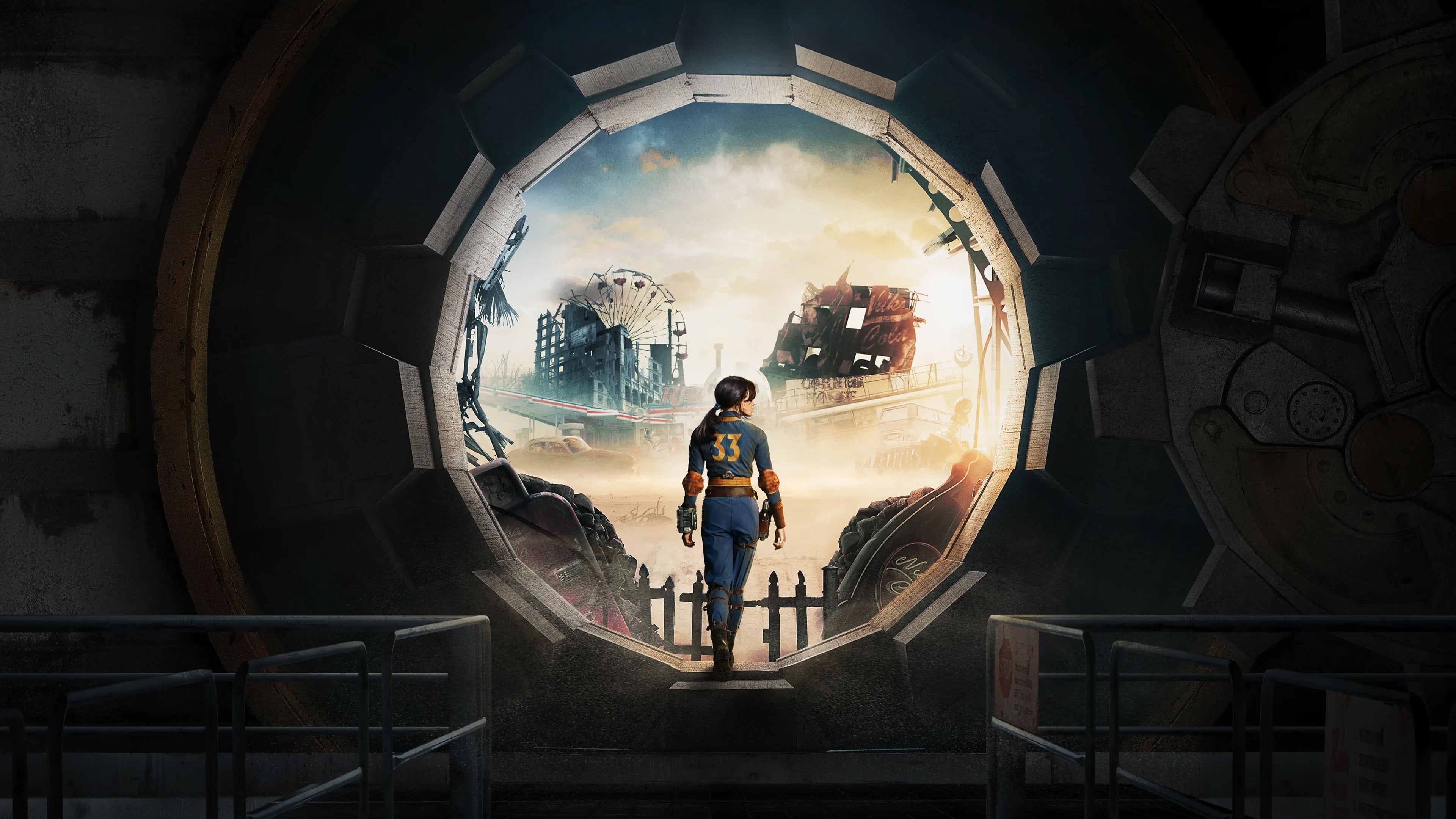
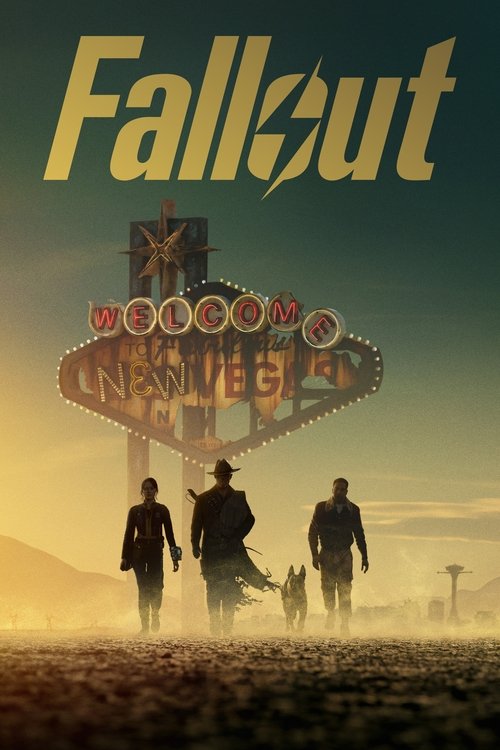
The story of haves and have-nots in a world in which there’s almost nothing left to have. 200 years after the apocalypse, the gentle denizens of luxury fallout shelters are forced to return to the irradiated hellscape their ancestors left behind — and are shocked to discover an incredibly complex, gleefully weird, and highly violent universe waiting for them.
Episodes
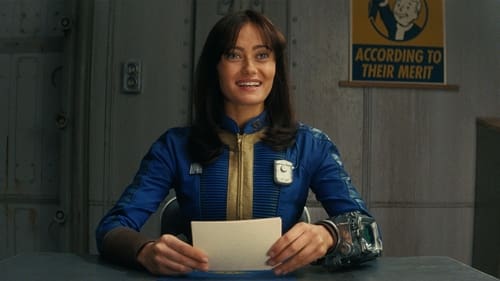
The End
Okey dokey...
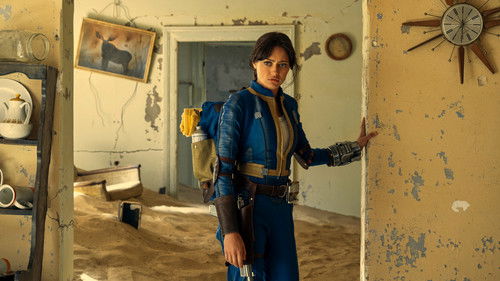
The Target
I know life can't have been easy up here...
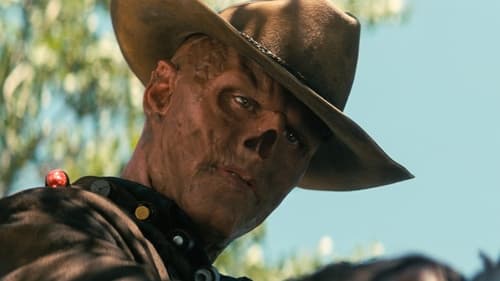
The Head
The Wasteland's got its own Golden Rule...
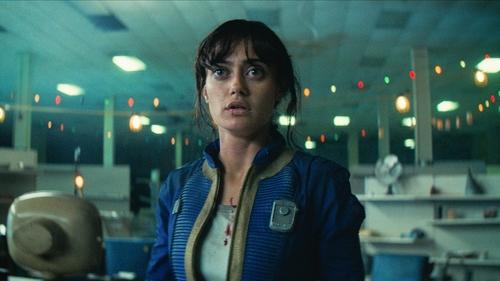
The Ghouls
Death to Management.
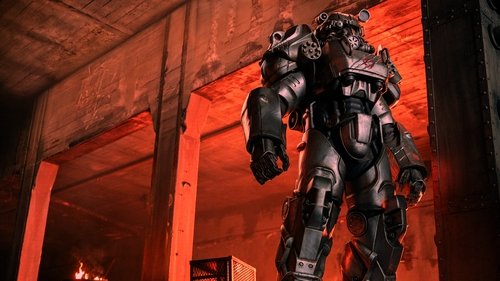
The Past
Everyone wants to save the world...
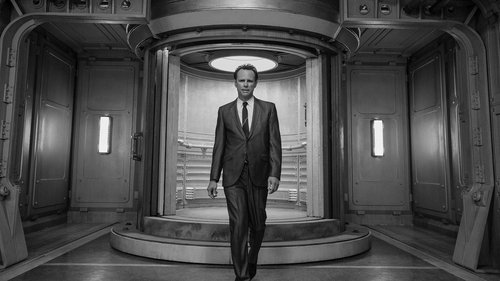
The Trap
What happens when the ranchers have more power than the Sheriff?
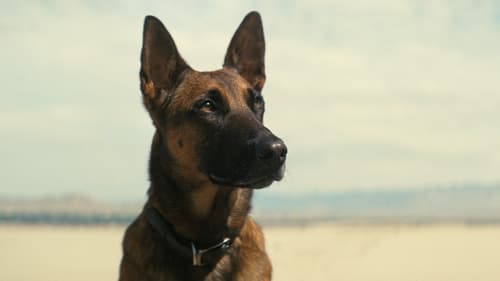
The Radio
Every generation has their own dumbass ideas...
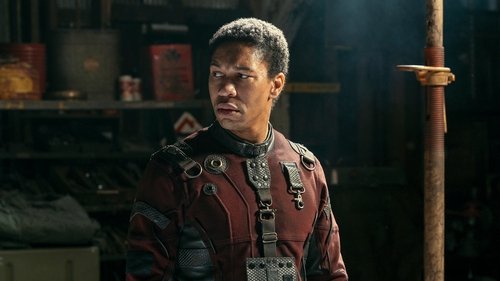
The Beginning
War...
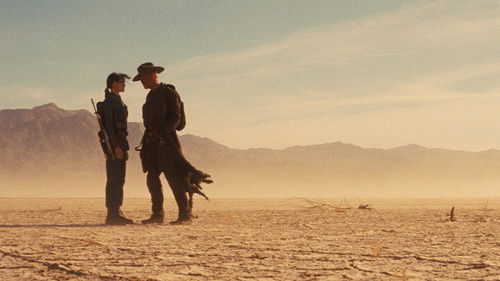
The Innovator
Every dollar spent is a vote cast.
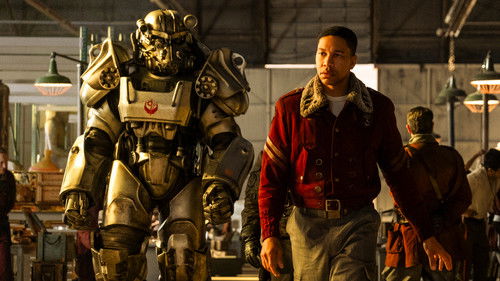
The Golden Rule
You can't put a price on family…
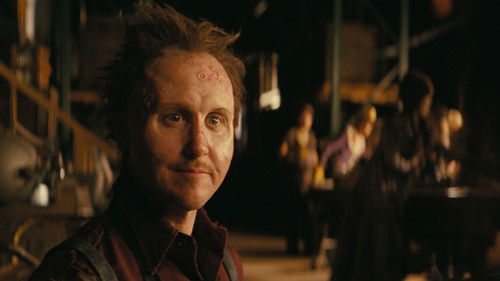
The Profligate
Most kids are dead by this age.
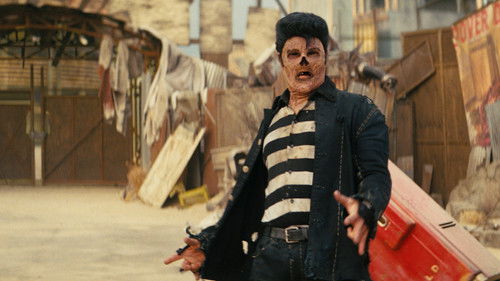
The Demon in the Snow
Rock to spear and so on...
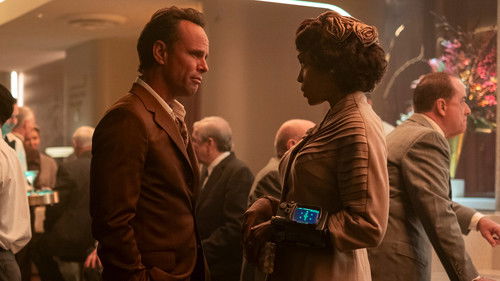
The Wrangler
Big Whoop.
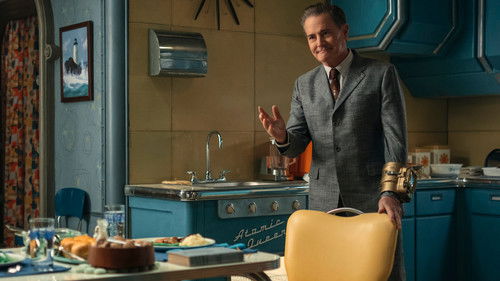
The Other Player
I remember good people.
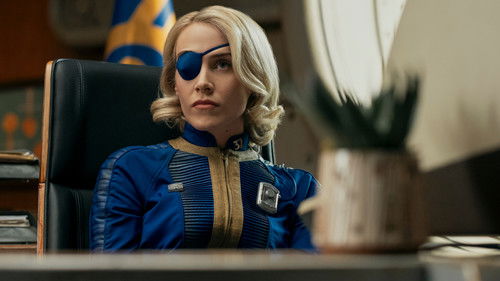
The Handoff
You always end up back where you started.
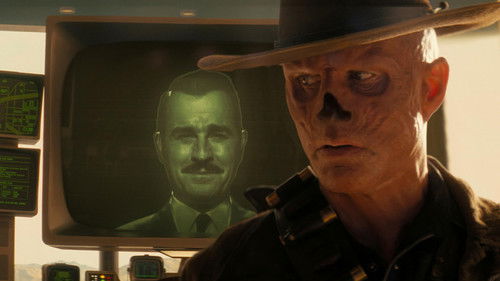
The Strip
Winning might be overrated...


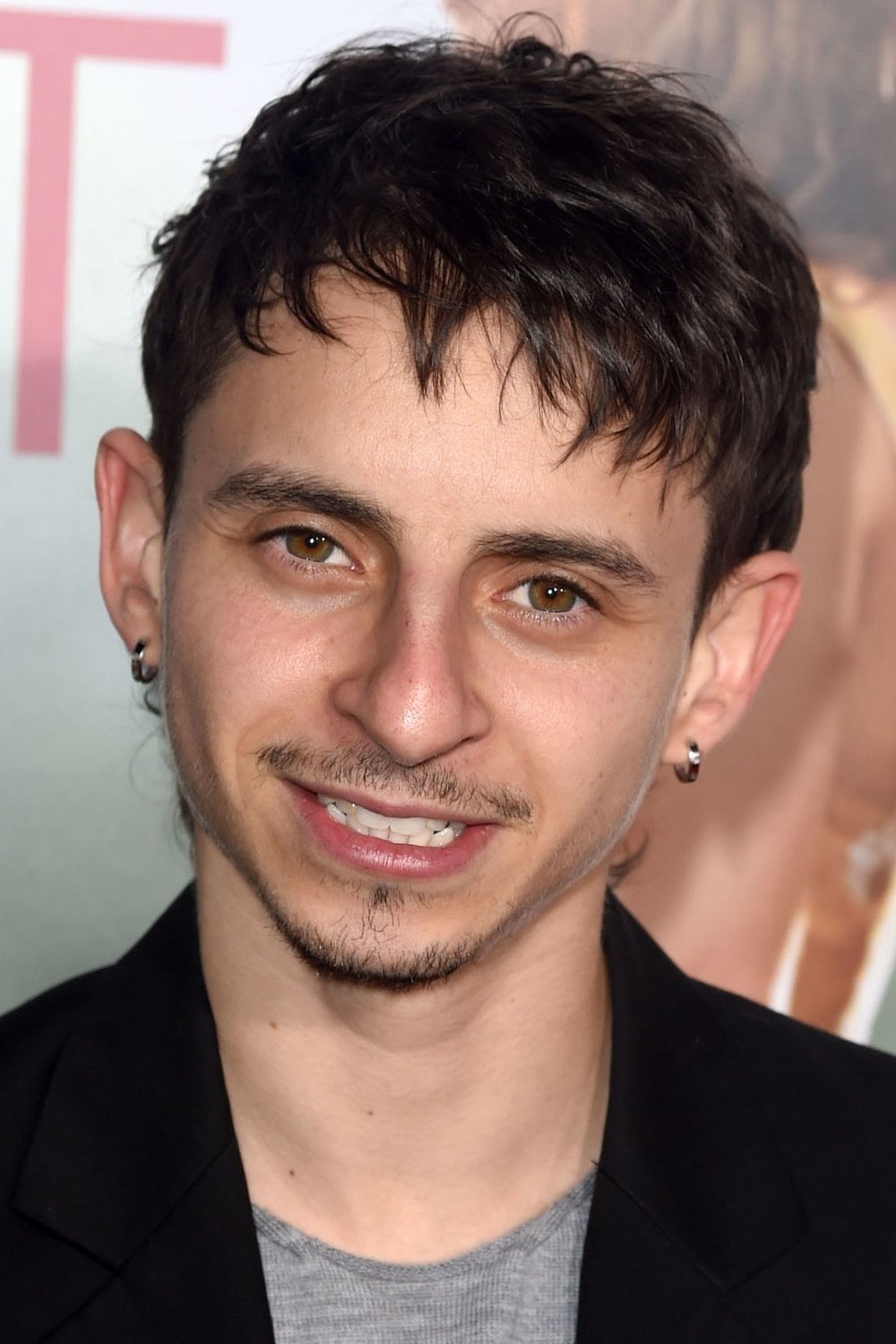
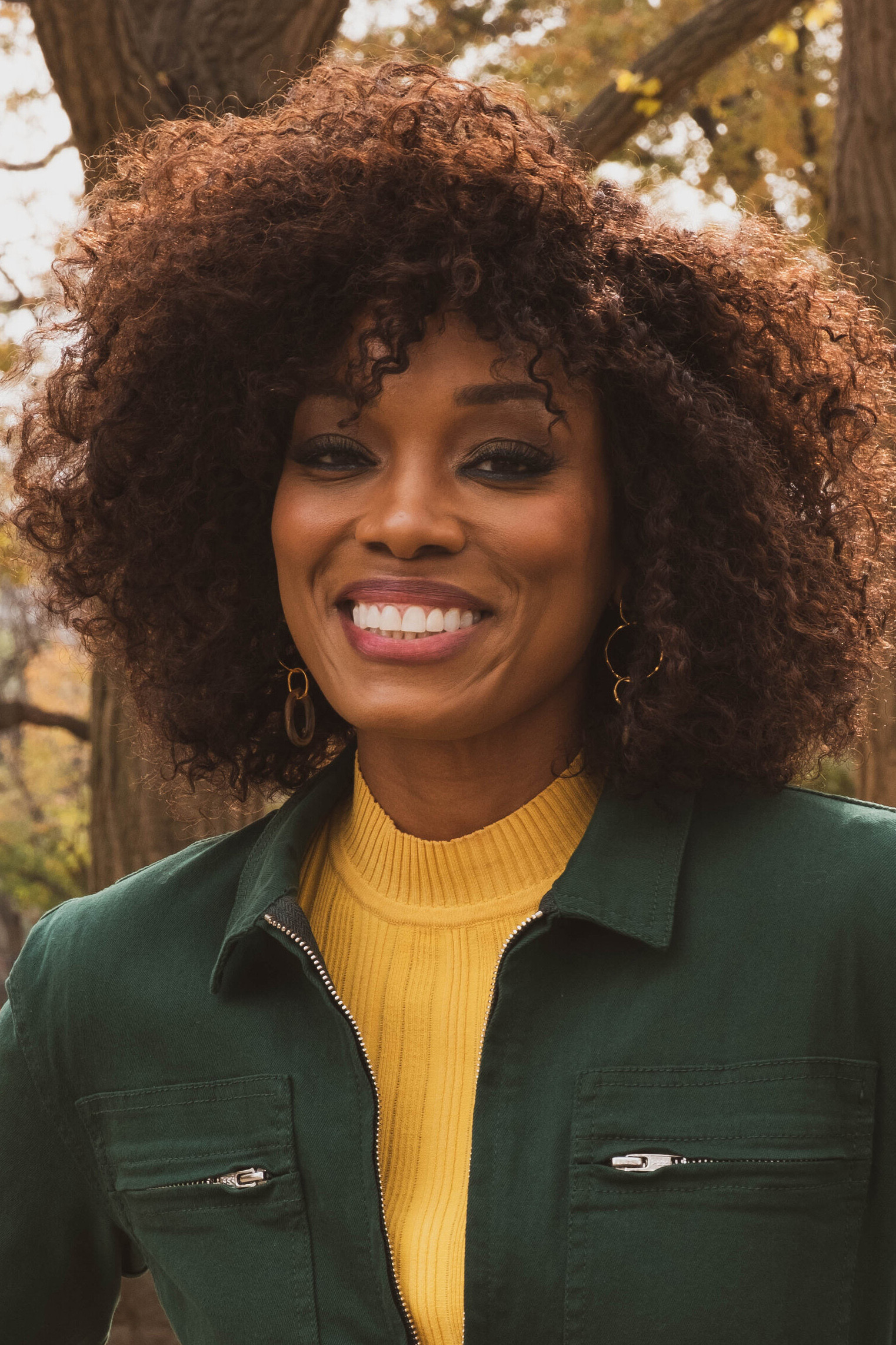
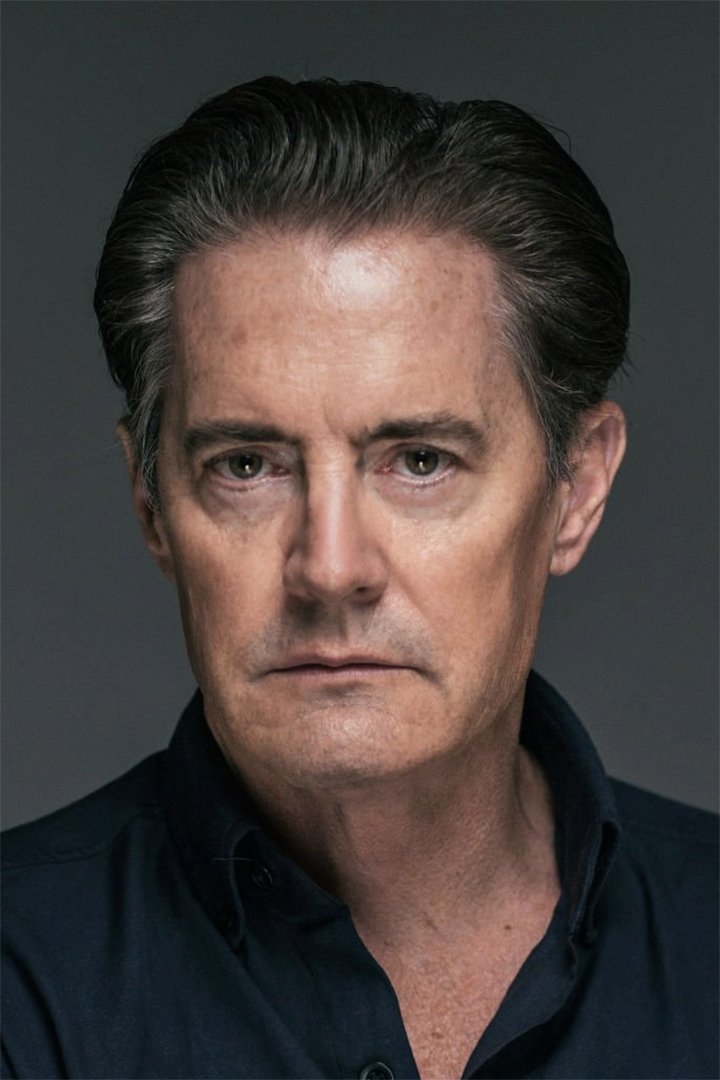
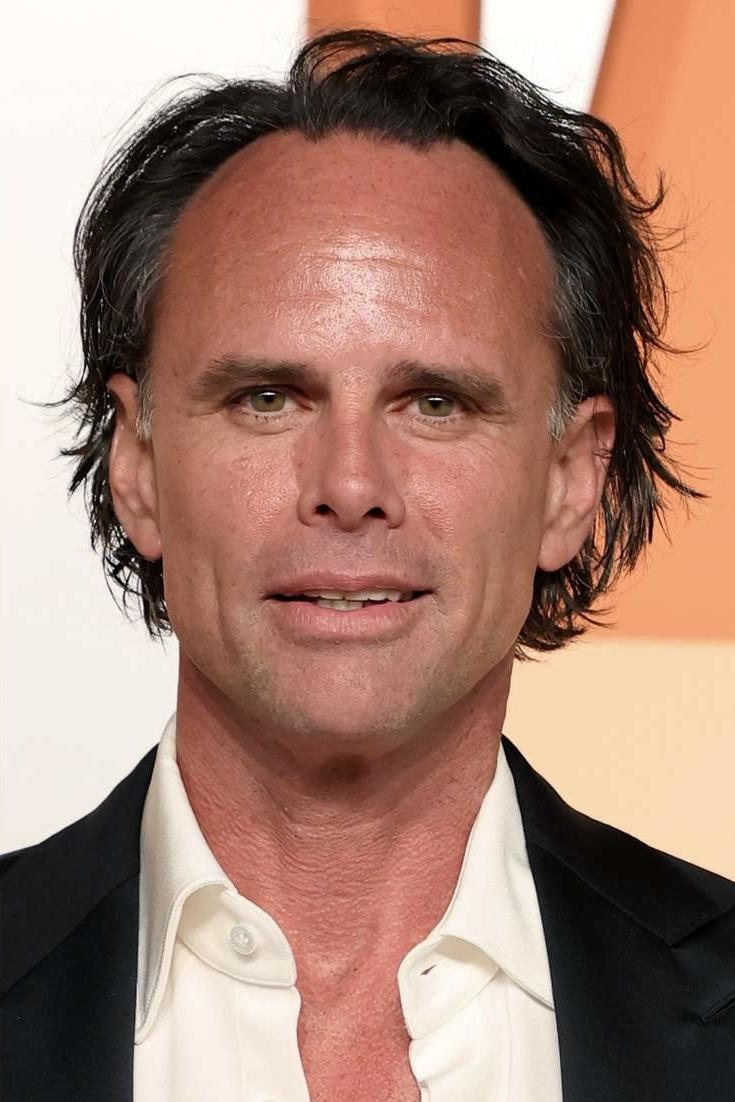
Where to watch


EPISODENEW.COM Review
In a landscape saturated with post-apocalyptic narratives, Amazon’s *Fallout* emerges not merely as another entry, but as a surprisingly vibrant, if occasionally muddled, fresco of human folly and resilience. It dares to ask: what if the end of the world wasn't just bleak, but also absurdly, darkly funny?
The series, with its premise of sheltered elites re-entering an irradiated wasteland, strikes a compelling tonal balance. Directors, particularly Jonathan Nolan, masterfully pivot between moments of genuine horror and slapstick violence, echoing the game’s signature dark humor. One might expect a descent into pure nihilism, but *Fallout* injects a gleeful eccentricity into its violence, refusing to let the audience settle into comfortable despair. The cinematography, often bathed in a sickly yellow-green glow, effectively conveys the desolation while still allowing for moments of stark beauty in the ruins.
Ella Purnell anchors the series as Lucy, a performance that navigates the tightrope between naive idealism and hardened pragmatism. Her wide-eyed wonder, slowly replaced by a grim determination, is a testament to Purnell’s range. Walton Goggins, as The Ghoul, delivers a masterclass in nuanced villainy, his gravelly voice and scarred visage embodying centuries of bitter survival. His character, a walking anachronism, serves as a poignant reminder of the world that was.
However, the narrative, while ambitious, occasionally trips over its own feet. The expansive world-building, a strength inherited from its source material, sometimes feels like an obligation rather than an organic unfolding. Certain plotlines, particularly in the latter half of the first season, feel stretched thin, as if the writers were more concerned with setting up future seasons than fully fleshing out the current arc. This leads to moments where the pace slackens, and the compelling weirdness gives way to more conventional exposition. The show’s ambition to be "incredibly complex" sometimes translates to a narrative that, while entertaining, lacks the laser focus required to elevate it from good to truly great.
Despite these stumbles, *Fallout* is a bold and often brilliant adaptation. It’s a series that understands its DNA, translating the unique blend of retro-futurism, satire, and brutal survival into a visually striking and emotionally resonant experience. It’s a testament to what television can achieve when it respects its source material while daring to forge its own path. A recommended watch, not just for fans of the game, but for anyone seeking a post-apocalyptic narrative with genuine character and a wicked sense of humor.