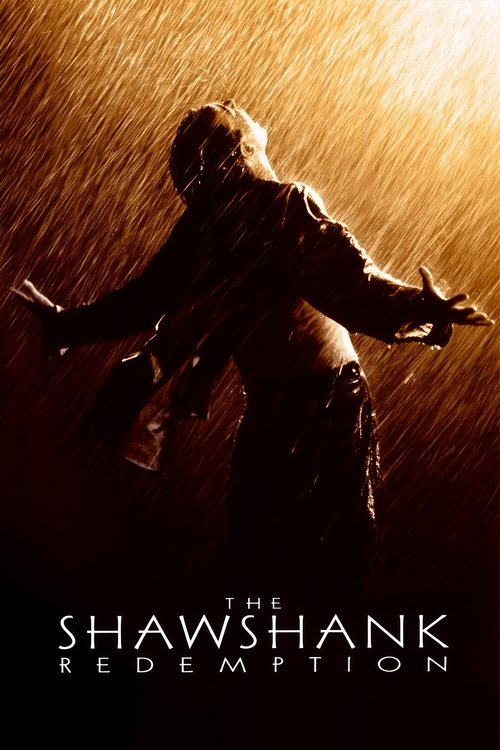
The Shawshank Redemption
Imprisoned in the 1940s for the double murder of his wife and her lover, upstanding banker Andy Dufresne begins a new life at the Shawshank prison, where he puts his accounting skills to work for an amoral warden. During his long stretch in prison, Dufresne comes to be admired by the other inmates — including an older prisoner named Red — for his integrity and unquenchable sense of hope.











Where to watch


EPISODENEW.COM Review
Frank Darabont’s *The Shawshank Redemption*, often lauded as a modern classic, is a peculiar beast in the cinematic landscape. It’s a film that speaks in hushed tones of enduring hope, yet its narrative structure, while undeniably effective, often feels almost too perfectly engineered. Darabont, working from a Stephen King novella, crafts a world of palpable confinement. The cinematography by Roger Deakins is masterful, using shadow and light not just for visual appeal, but to articulate the psychological weight of incarceration – those deep blues and grays are not just colors; they are the very essence of despair and the fleeting glimmers of freedom.
Tim Robbins' Andy Dufresne is a study in quiet defiance. His performance isn't about grand gestures, but about the subtle shifts in his eyes, the almost imperceptible straightening of his posture in the face of brutal injustice. He embodies a resilience that is more spiritual than physical. Morgan Freeman, as Red, anchors the film with his resonant narration, a voice that has become synonymous with cinematic storytelling. He is the audience's guide, his weariness and eventual rekindled hope serving as a mirror for our own emotional journey.
However, where the film occasionally falters is in its almost mythic portrayal of Dufresne. He is less a man and more a symbol, an almost messianic figure whose accounting skills and unwavering moral compass feel, at times, a touch too convenient for the plot's progression. The villains, particularly Warden Norton, are painted with broad strokes of pure evil, leaving little room for the complex shades of human depravity. This simplification, while serving the emotional arc, arguably sacrifices a deeper exploration of institutional corruption and the nuanced psychological toll of prison life.
Yet, despite these narrative polishings, *Shawshank* resonates because it taps into a fundamental human yearning for freedom and justice. It’s not just about escaping a prison; it’s about the liberation of the spirit. A powerful, albeit occasionally idealized, testament to the enduring power of hope.