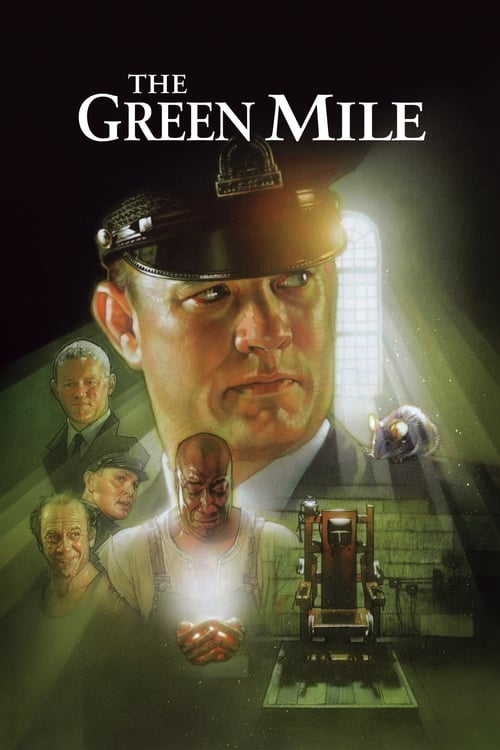
The Green Mile
A supernatural tale set on death row in a Southern prison, where gentle giant John Coffey possesses the mysterious power to heal people’s ailments. When the cell block’s head guard, Paul Edgecomb, recognizes Coffey’s miraculous gift, he tries desperately to help stave off the condemned man’s execution.









Where to watch


EPISODENEW.COM Review
Frank Darabont’s "The Green Mile" is a cinematic paradox: a film so earnest in its emotional manipulation that it nearly transcends its own saccharine tendencies. At three hours, it’s a deliberate, almost liturgical march through the moral quagmire of capital punishment, viewed through the lens of a fantastical, almost biblical miracle.
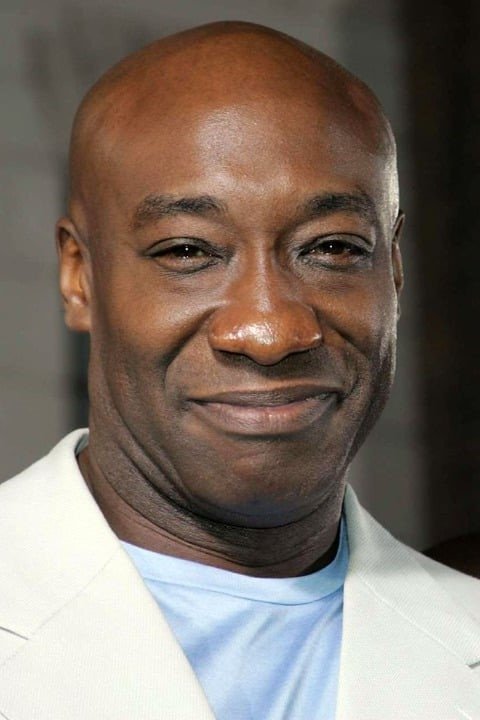
Darabont, a master of Stephen King adaptations, crafts a narrative that, while sprawling, maintains a surprising intimacy. His direction ensures that every inmate, every guard, feels meticulously carved from the Georgia clay, even if some characters verge on caricature. Tom Hanks, as Paul Edgecomb, delivers a performance of quiet, almost weary decency, his eyes carrying the weight of the condemned. It’s Michael Clarke Duncan’s John Coffey, however, who anchors the film’s spiritual core. Duncan embodies a purity so profound it feels otherworldly, a testament to casting that saw beyond the physical and into the soul. His gentle giant, capable of both immense power and childlike vulnerability, is the engine of the film's moral conflict.
Yet, for all its emotional heft and strong performances, "The Green Mile" is not without its narrative indulgences. The screenplay, while effective in building empathy, occasionally leans too heavily on the overt symbolism of good versus evil. The villainy, particularly in the character of Percy Wetmore, is so cartoonishly cruel that it strains credulity, serving more as a plot device than a fully realized human being. This lack of nuance in its darker elements sometimes undercuts the film’s otherwise profound explorations of justice, faith, and the nature of humanity. The magic, while central, feels less integrated into the fabric of the world and more like a narrative tool to drive the plot to its predetermined, tear-jerking conclusion.
Ultimately, "The Green Mile" succeeds not as a perfect film, but as a powerful emotional experience. It asks uncomfortable questions about judgment and compassion, even if its answers are sometimes delivered with a heavy hand. It’s a film that demands your time and, despite its flaws, largely earns your tears.