

Where to watch


EPISODENEW.COM Review
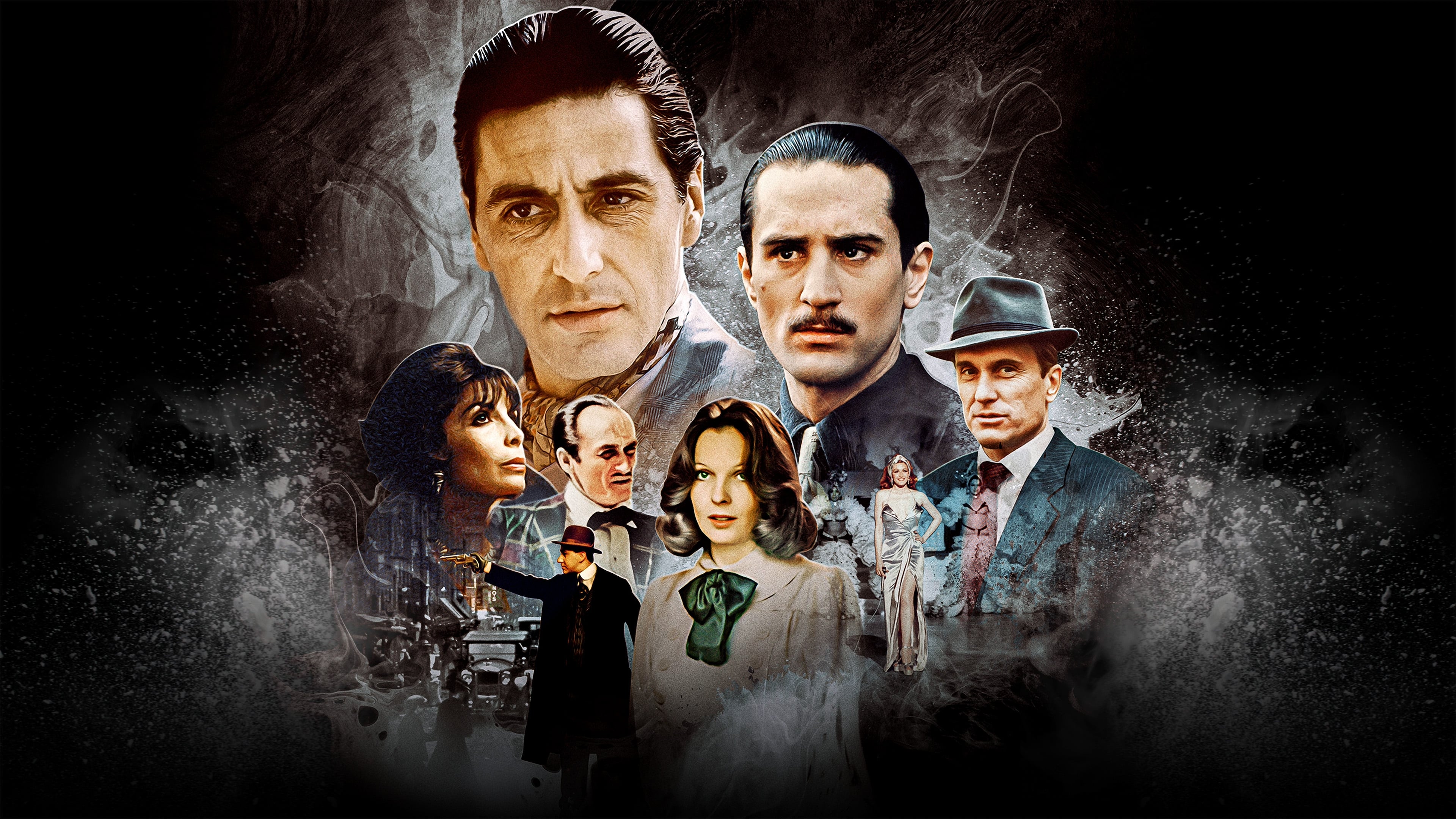
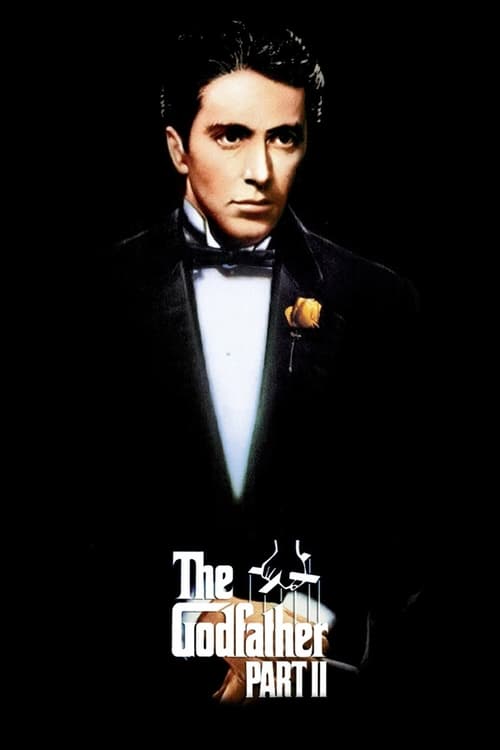
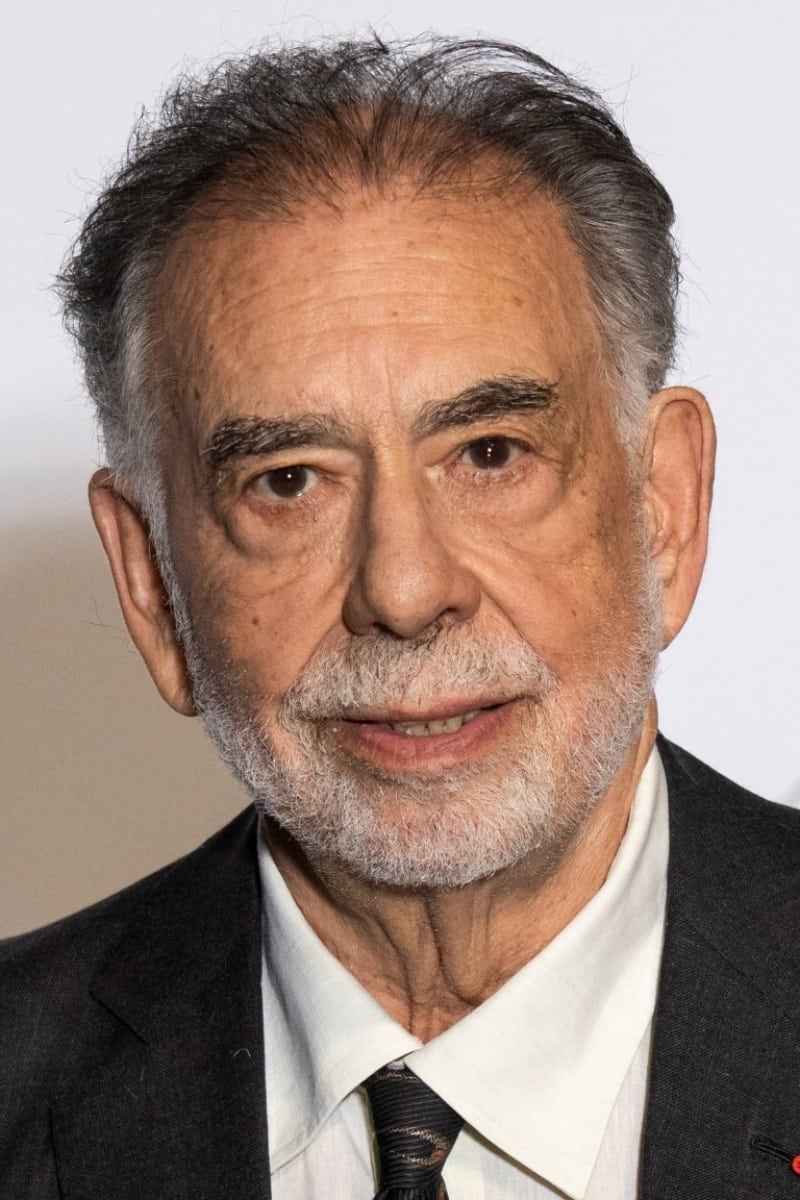
To speak of *The Godfather Part II* as merely a sequel is to diminish its monumental achievement; it is, rather, a symphonic expansion, a shattering diptych that redefines the very notion of cinematic continuation. Coppola, with audacious confidence, doesn't just pick up where the first left off; he excavates the past to illuminate the present, crafting a narrative braiding that few filmmakers dare attempt, let alone master.
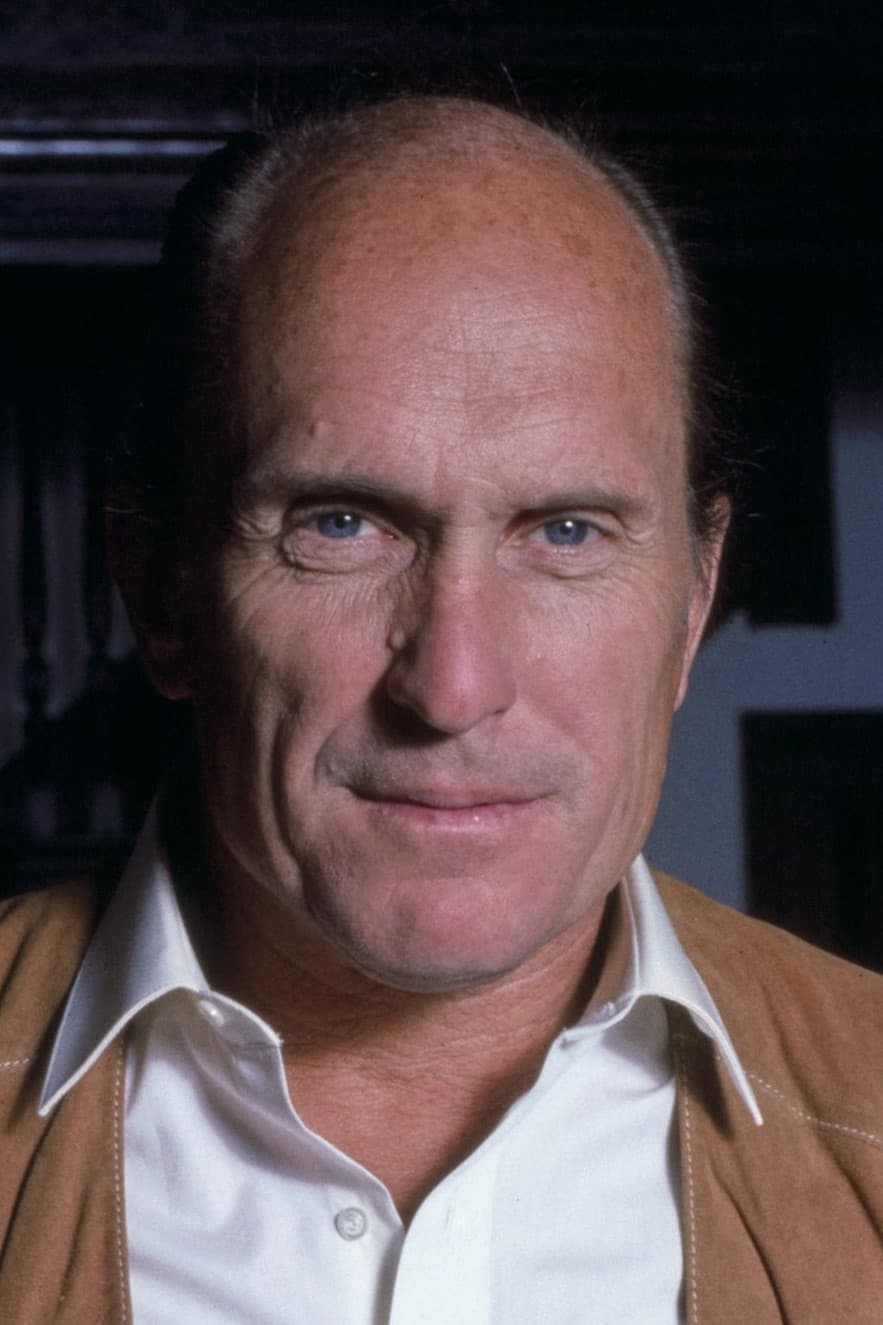
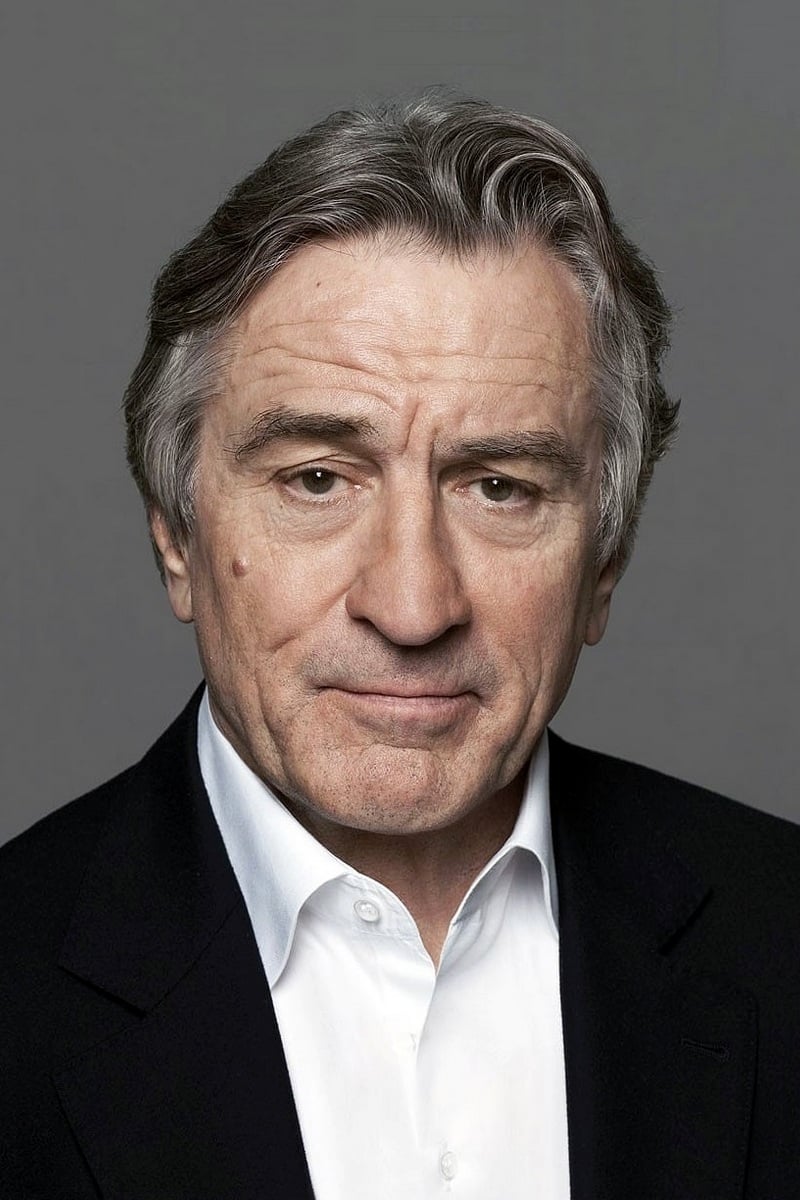
The brilliance lies in this interwoven structure: the rise of Vito Corleone, portrayed with a mesmerizing, quiet ferocity by Robert De Niro, running parallel to Michael's relentless descent into an icy, solitary power. De Niro’s performance isn't mimicry; it's an interpretive dance of Brando’s essence, allowing us to witness the genesis of the patriarch’s calculated charm and nascent ruthlessness. His early struggles in 1910s New York are rendered with a stark, almost documentary-like precision by Gordon Willis's cinematography, a sepia-toned memory contrasted sharply with the colder, more opulent palette of Michael's 1950s empire.
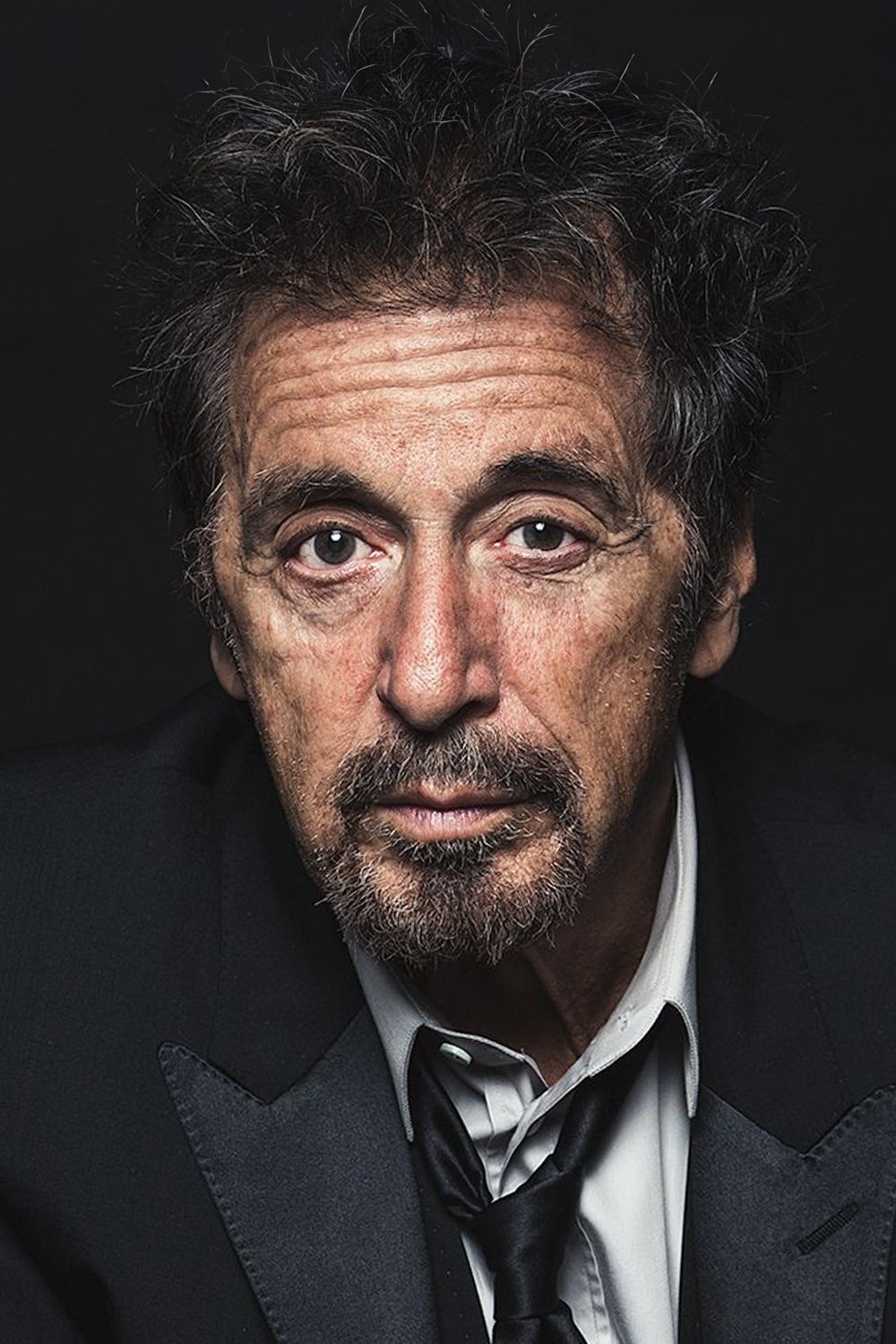
Al Pacino, in turn, delivers a performance of chilling interiority. Michael in this film is a man consumed, his eyes betraying a profound, almost spiritual emptiness beneath the veneer of control. The subtle tremor in his voice, the way his gaze hardens from scene to scene – these are not mere acting choices, but surgical incisions into the soul of a man sacrificing everything for the illusion of power. The scene where he dismisses Kay, the chilling finality of his closed office door, is a masterclass in unspoken tragedy, a testament to Diane Keaton’s nuanced portrayal of a woman utterly broken by proximity to this darkness.
However, the film’s sprawling ambition, while largely successful, isn't without its minor stumbles. The Cuba sequence, while visually striking and thematically crucial to Michael’s disillusionment, occasionally feels a beat too long, momentarily disrupting the exquisite rhythm established by the dual narratives. And while the breadth of supporting performances is strong, some of the peripheral characters in the Senate hearing storyline, despite their narrative necessity, occasionally flatten into archetypes rather than fully realized individuals, a rare misstep in a film so dedicated to psychological depth.
Ultimately, *The Godfather Part II* is not just a crime drama; it's a profound meditation on family, power, and the corrosive nature of the American Dream. It asks whether legacy is a blessing or a curse, and answers with a resounding, tragic echo. This is cinema as epic poetry, demanding not just viewership, but contemplation.